

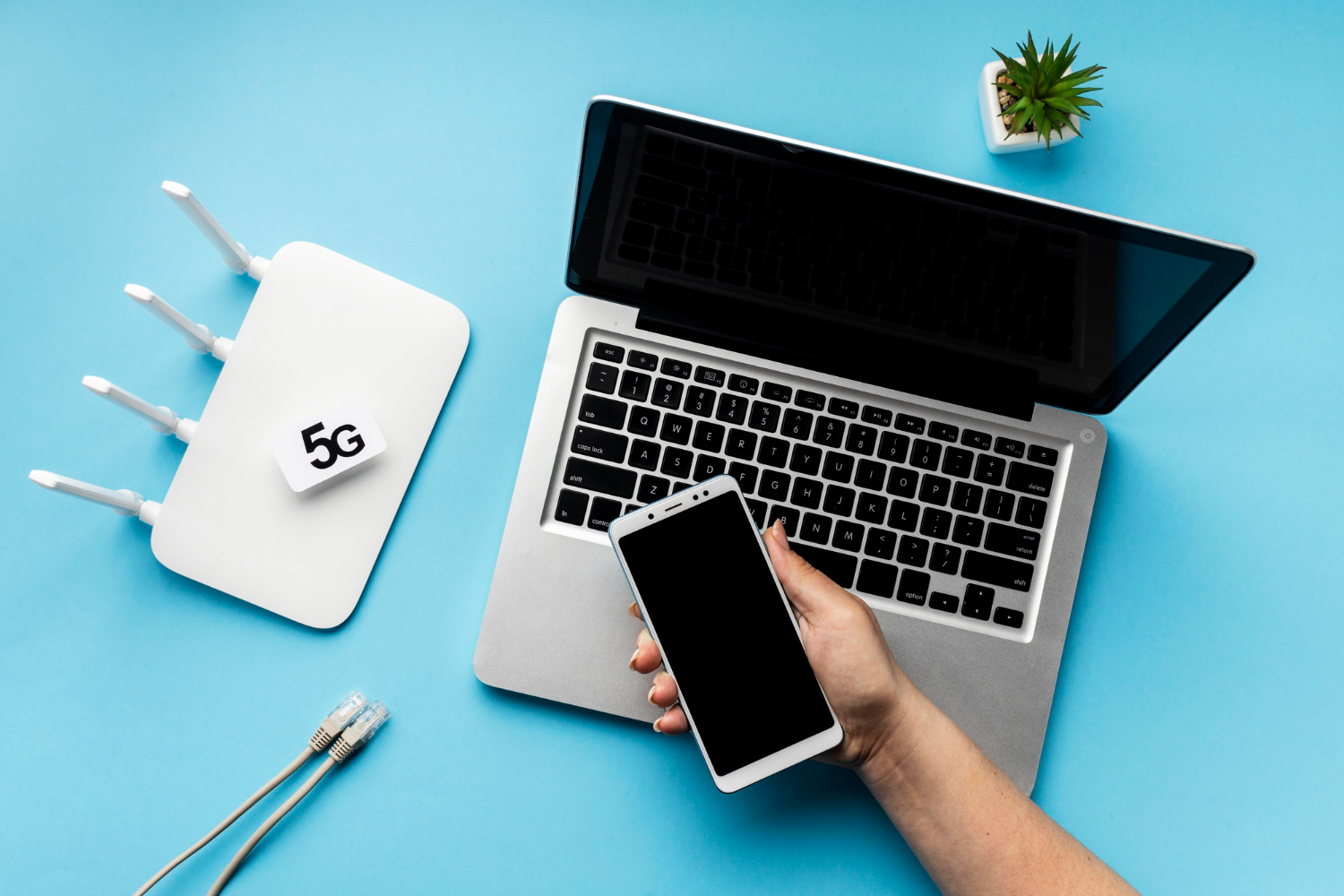
Numerous people depend on online connections for study, work, learning, entertainment, communication, research, and everyday tasks. Consistent access helps people send messages, wait for sending lessons, share files, and gather knowledge quickly. Several connection methods exist today. Each option works differently, offers various speed levels, and supports different device needs. Some services suit homes while others support offices or large groups. Knowing how these options function helps people choose wisely. For clear guidance about choosing a suitable option for personal needs, click here to explore helpful explanations about available connection methods used across many devices today.
Fixed Line Connection
A fixed line connection uses physical cables placed under ground or along poles. This method provides stable access, steady speed, dependable performance for homes, schools, and offices requiring consistent connectivity daily.
Cable-Based Access
Cable-based access sends signals through television lines already installed across many buildings. This option provides faster performance than older phone lines for streaming, downloads, and online meetings.
Fiber Link Technology
Fiber link technology transfers data using light through thin glass strands. This modern option offers very high speed, stable performance, and reliable connectivity for heavy usage.
Public Access Points
Public access points appear inside shared places like study centers or workspaces. Users connect through wireless signals using personal devices for quick online tasks.

Dedicated Business Connectivity
Dedicated business connectivity provides reserved bandwidth for organizations needing reliable speed for meetings, file transfers, and service systems supporting daily operations.
Choosing Suitable Connectivity
Selecting suitable connectivity depends on usage needs, speed expectations, and budget limits. Understanding available options helps individuals choose wisely for stable performance.
- Compare connection speed levels carefully before selecting any provider to ensure smooth online activities across devices.
- Confirm coverage availability in the area before installation because some technologies work only within limited network zones.
Factors That Influence Service Quality
- Modern infrastructure improves performance because updated cables transmit information faster than outdated systems used earlier.
- Lower network traffic often results in faster response time for downloads, video sessions, and data sharing tasks.
Selecting the right connection method requires understanding speed needs, device usage, and reliability expectations. Careful comparison of available services helps users avoid slow performance problems during study, communication, and work activities. Evaluating connection type, coverage range, network strength, and monthly pricing improves decision quality. For additional helpful guidance about selecting a reliable connection service that matches personal requirements, click here to review detailed explanations about current connectivity options used across modern devices.